


Thousands of families from around the world choose the UK for their child’s education. With its outstanding boarding schools and academic standards, England continues to attract ambitious young people looking for academic challenge, personal growth, and new experiences.
For many families, the admissions and visa process can initially feel unfamiliar. Unlike university applications, applying to an independent school involves several stages, including assessments, interviews, visa arrangements, and boarding preparation.
This guide explains how to study in England for international students step by step, helping families understand what to expect throughout the process and how schools like ours support pupils from application through to arrival in the UK.
Why do international families choose England?
Independent schools in England are recognised around the world for their high academic standards, strong pastoral care, and broad educational experience.
Students benefit from internationally respected qualifications such as GCSEs and A Levels while also developing confidence, independence and communication skills through sports, music, drama, leadership and enrichment opportunities.
For international pupils, boarding schools also provide a safe and supportive environment where students can fully immerse themselves in British school life, improve their English and build friendships with peers from across the globe.
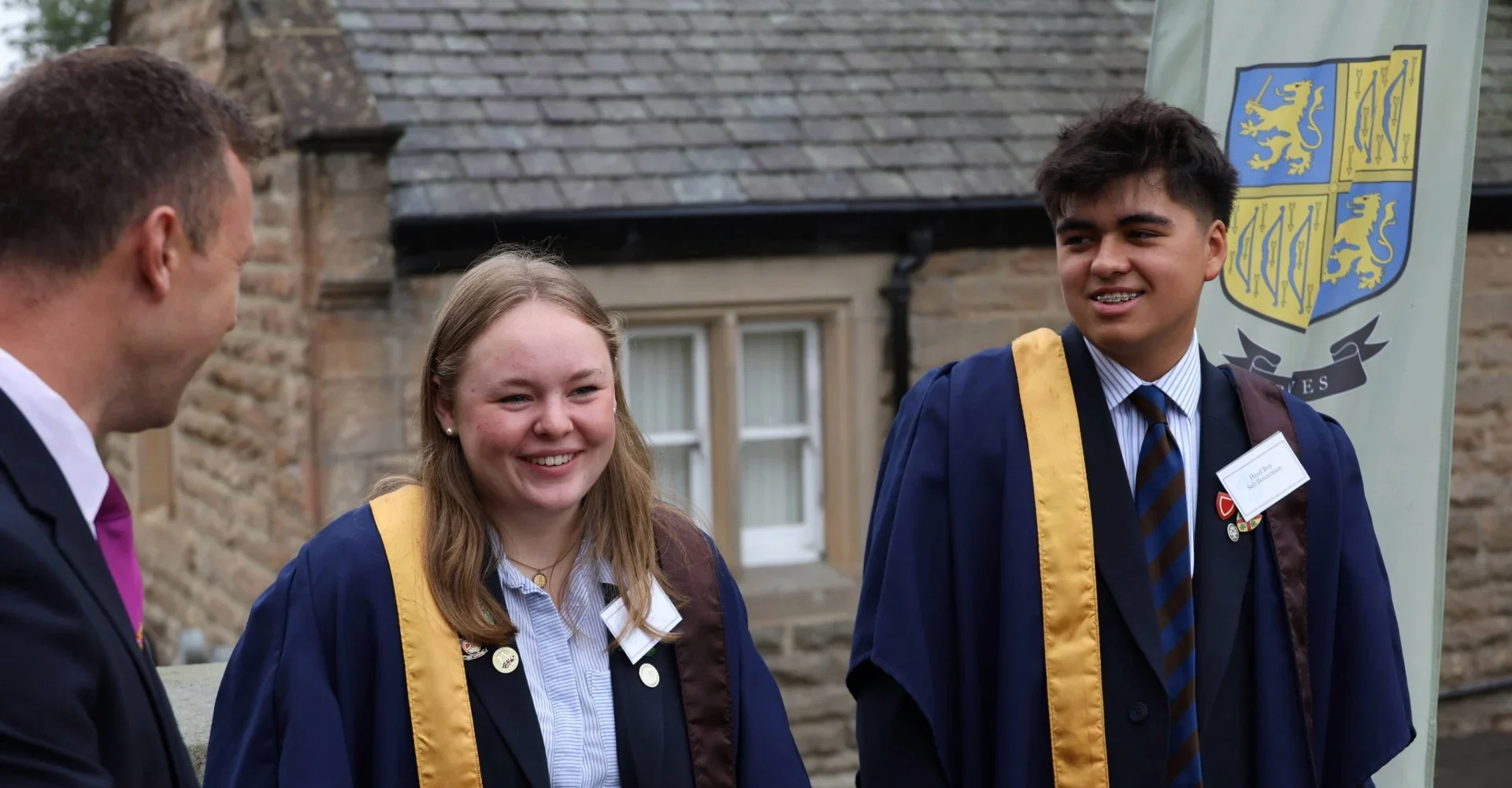
At Barnard Castle School, international students become part of a warm and inclusive community. Boarding life, co-curricular activities, and small class sizes help pupils settle quickly and feel fully involved in school life from the beginning.
Step 1: Choose an independent school that accepts international students
The first and most important stage is choosing the right school. Not every independent school in England is licensed to sponsor international students, so families should first confirm that a school is a registered student sponsor. This is essential because only licensed schools can issue the Confirmation of Acceptance for Studies (CAS) required for visa applications.
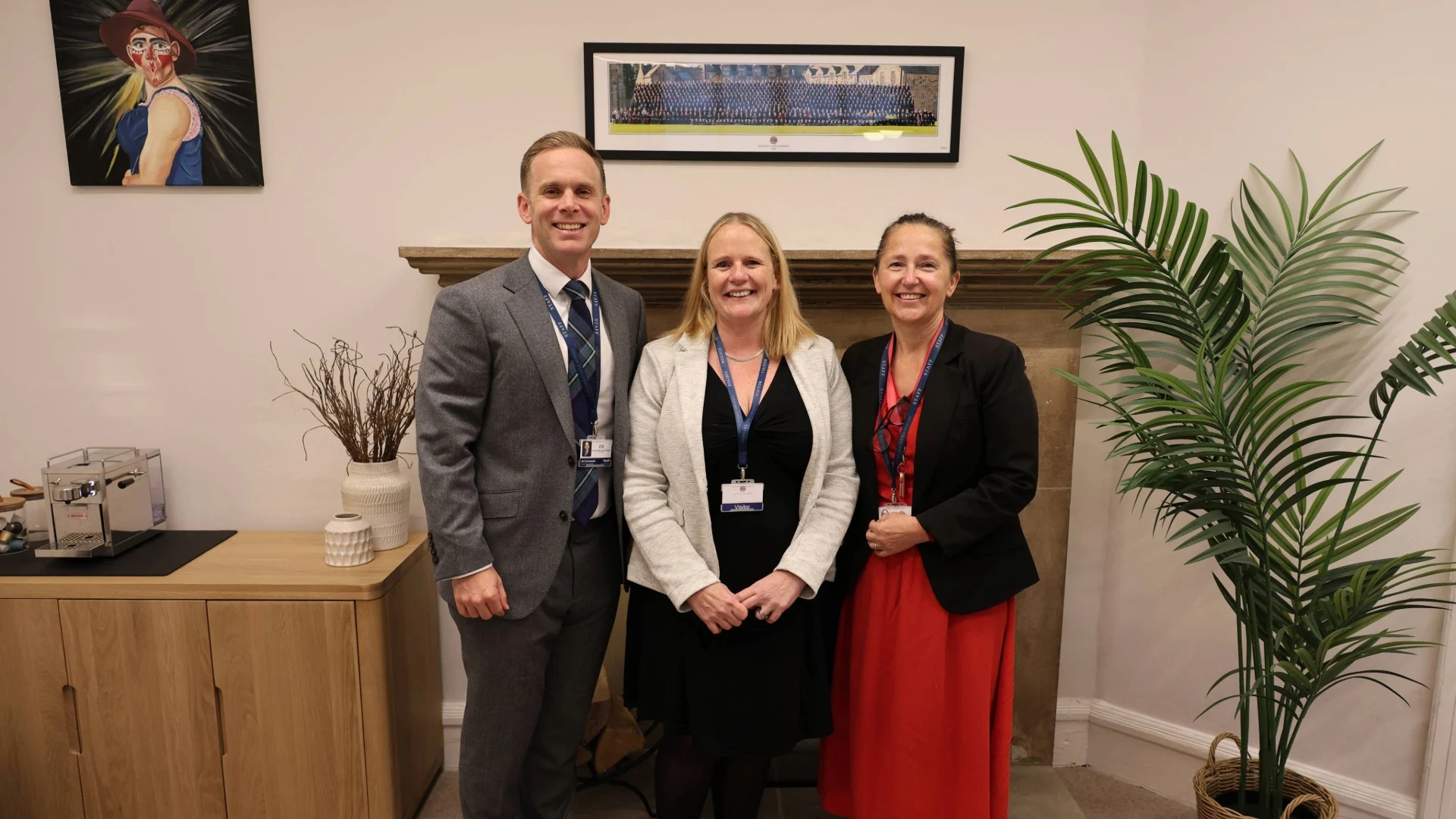
Families often begin by researching schools online, speaking with admissions teams, or working with an international education agent or consultant. While some families prefer the support of an agent, others apply directly to the school and communicate with the admissions team throughout the process.
When choosing a school, families usually consider academic performance, subject choice, boarding facilities, university preparation, and the wider school environment. Equally important is understanding how a school supports international pupils socially, academically, and pastorally.
Barnard Castle School is a licensed student sponsor and welcomes international students from a range of countries each year.
Step 2: Understand the Child Student Visa
Most international pupils aged between 4 and 17 will apply for a Child Student Visa. This visa allows students to study at fee-paying independent schools in the UK. State schools are unable to accept international fee-paying pupils under this visa route.
To apply successfully, students must already have an unconditional offer from a licensed school. Families will also need to provide documentation showing parental consent, financial support, and accommodation arrangements.
In most cases, pupils travelling without parents will also require a UK-based guardian. This person acts as an additional point of contact and support while the student is living in the UK. Typical visa requirements include:
- A valid passport
- Proof of tuition and living funds
- A CAS number issued by the school
- Written parental consent
- Guardian arrangements where required
Although the process may appear detailed, schools and admissions teams are usually experienced in guiding families through each stage.
Step 3: Apply to the school
Once a family has chosen a school, the formal admissions process begins. Independent schools generally ask for previous school reports, references, and entrance assessments. Depending on the age of the pupil, this might include English, Mathematics, or reasoning tests, alongside an interview conducted online or in person.
Schools use this process to assess not only academic ability but also whether the student is likely to thrive within the school environment.
At Barnard Castle School, applications are approached individually. As a broad-entry school, Barney welcomes students with varying strengths and academic backgrounds, focusing on helping each pupil fulfil their potential through tailored support and encouragement.
Applications are usually made between six and twelve months before entry, although places may still be available closer to the start of term depending on availability.
Step 4: Receive an offer and CAS
If a pupil is successful, the school will issue a formal offer letter. Once the place is accepted and all conditions are met, the school can then issue the CAS reference number needed for the visa application.
The CAS is an official electronic document linked to the student and school. It confirms details such as course dates, tuition fees, and boarding arrangements. Without this document, students cannot proceed with their Child Student Visa application, which is why choosing a licensed school is so important from the beginning.
Step 5: Apply for the visa
After receiving the CAS, families can begin the Child Student Visa application.
This stage involves submitting supporting documents and demonstrating that suitable financial and living arrangements are in place for the student. Families must show they can cover tuition fees and living costs while also providing information about accommodation and guardianship.
Visa applications are normally completed online, and, in most cases, decisions are made within three weeks when applying from outside the UK. Families planning to study in England for international students should begin preparing documents early to avoid unnecessary stress closer to the start of term.
Step 6: Arrange accommodation
For most overseas pupils, boarding accommodation is the preferred option.
Boarding allows students to fully immerse themselves in school life while benefiting from structured routines, academic support, and a strong sense of community. Pupils live alongside friends, participate in evening and weekend activities, and receive ongoing support from boarding staff.
At Barnard Castle School, international students live within one of the School’s boarding houses, where experienced staff provide pastoral care and guidance throughout the year. Boarding offers a traditional British independent school experience, combining academic study with sports, activities, trips, and social events.
For pupils who are not boarding, UK visa rules generally require a UK-based guardian unless parents are living in the country themselves.
Step 7: Arrive in the UK and begin school
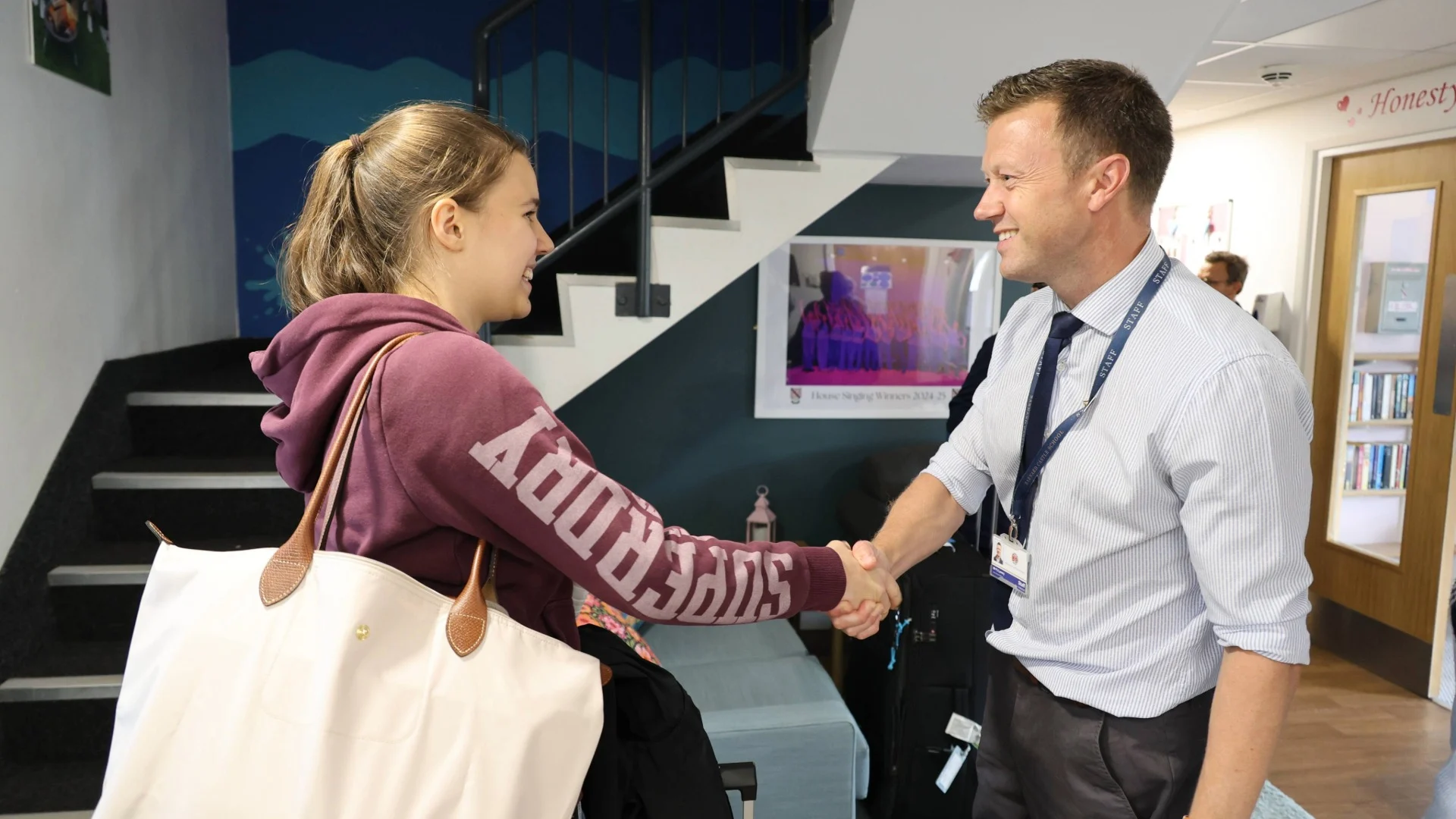
Starting school in a new country is a major milestone in life, and schools work hard to make sure that students feel welcomed and supported from the moment they arrive.
At Barney, the admissions and boarding teams help families prepare before arrival, offering guidance on travel arrangements, airport transfers, packing, and settling into boarding life. Many schools also pair new students with a buddy to help them adjust socially during their first weeks.
The transition into UK school life can feel challenging at first, but pupils often settle once they begin lessons, activities, and boarding routines. Being surrounded by supportive staff and fellow students helps build confidence and creates a strong sense of belonging.
A quick summary of the process
Although every family’s journey is slightly different, the process usually follows the same structure:
- Choose a licensed independent school
- Complete the admissions process
- Receive an offer and CAS
- Apply for the Child Student Visa
- Arrange boarding or guardianship
- Travel to the UK and begin school
By planning early and working closely with the school’s admissions team, families can navigate the process smoothly and confidently.
Begin your Barney journey
For families looking to study in England for international students, choosing the right school is one of the most important decisions they will make. At Barnard Castle School, international pupils join a supportive and ambitious community where they are encouraged to thrive academically, socially, and personally.
From expert teaching and excellent boarding care to co-curricular opportunities and university preparation, Barney offers students a well-rounded experience that prepares them for life far beyond school.
Whether students are arriving for the first time in the UK or continuing an international educational journey, Barney provides the guidance and opportunities needed to help them succeed. Submit an enquiry today to begin your Barney journey.